Short answer: Condo remodeling in Palm Beach County starts with your association, not with demolition. Most associations want a written application with the scope of work, proof of insurance from everyone working in the unit, and agreement to building rules on work hours, elevator use, noise and debris. Many also limit moving plumbing or cutting into the concrete slab. Read your declaration and rules first, then plan the design around them.
Updated October 2026. Written by H&H Signature Renovations, an owner-led remodeling company in Lake Worth Beach that remodels condo kitchens and bathrooms across Palm Beach County.
How common is condo living in Palm Beach County?
Common, and in some towns it is the norm. Across the county, about one home in four (25.1%) sits in a building with 10 or more units, the kind of building where most condo and apartment living happens. In the Town of Palm Beach the share is close to two in three.
| Place | Homes in buildings with 10+ units |
|---|---|
| Town of Palm Beach | 64.9% |
| Boca Raton | 42.5% |
| West Palm Beach | 38.5% |
| Delray Beach | 30.8% |
| Boynton Beach | 29.5% |
| Palm Beach County (all) | 25.1% |
| Jupiter | 21.0% |
| Lake Worth Beach | 19.1% |
| Palm Beach Gardens | 16.9% |
| Wellington | 6.7% |
Source: U.S. Census Bureau, American Community Survey 2024 5-year estimates, table B25024, compiled in our Palm Beach County housing data. Buildings with 10 or more units include rental apartments as well as condominiums.
Do you need association approval to remodel a condo?
For anything beyond paint and furniture, usually yes. Your condominium documents, mainly the declaration and the rules and regulations, set what you may change inside your unit and what needs the board’s or the manager’s approval first. Kitchens and bathrooms almost always need approval, because they involve plumbing, electrical work and noise that affect your neighbors.
Start the approval early. Some boards meet once a month, and an application that arrives just after a meeting can wait weeks.
What will the association typically ask for?
Every building writes its own rules, but these are the items we see most often in Palm Beach County condo projects:
- A renovation or alteration application describing the work, often with a floor plan or drawings for kitchens and bathrooms.
- Certificates of insurance from the company doing the work, often naming the association as an additional insured.
- Copies of any permits required by your city, sometimes posted at the unit door during the work.
- Work hours and days, commonly weekday daytime hours only, with no work on weekends or holidays.
- Elevator reservations and padding for deliveries and debris, and protection for hallway floors and walls.
- Debris rules: no use of building trash chutes or dumpsters for construction waste.
- A refundable deposit against damage to common areas.
- Floor sound rules: many buildings require an underlayment under hard floors to limit noise to the unit below.
Can you move plumbing or cut the slab in a condo?
Often not freely. The concrete slab and the main drain and supply lines usually belong to the building, not the unit. Many associations do not allow cutting or core drilling the slab without an engineer’s review, and some do not allow it at all. That has direct design effects:
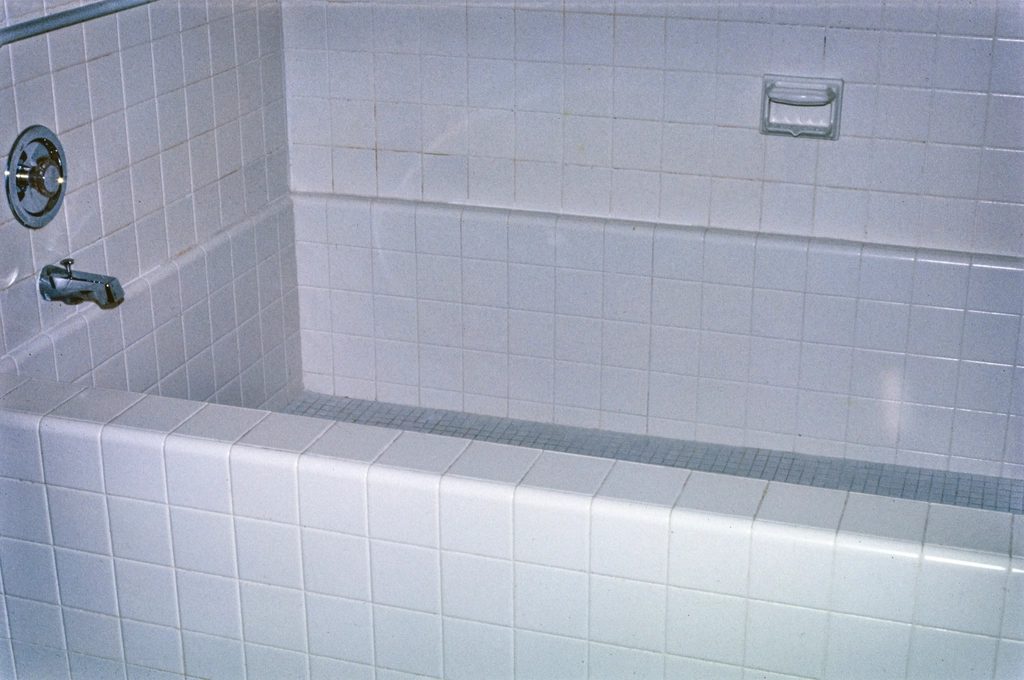
- A curbless shower may not be possible if it needs a recessed floor. A low curb is the usual answer.
- A sink or toilet may need to stay close to where it is, because moving a drain can mean cutting the slab.
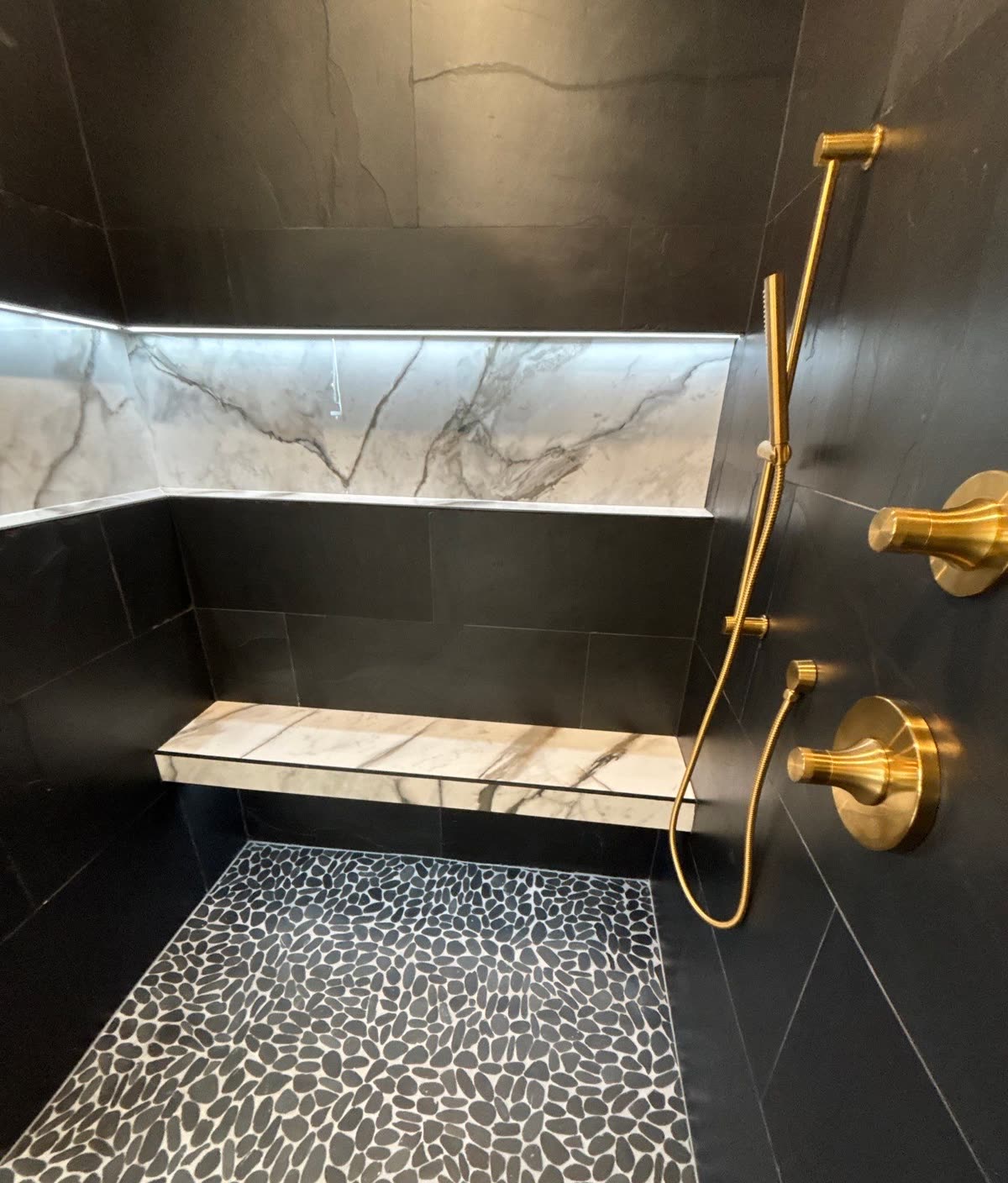
- Some boards ask for proof of shower waterproofing, because a leak reaches the unit below.
Design around these limits from the start. Our tub to shower conversion ideas cover what works when the slab cannot be cut.
How do you plan a condo kitchen or bathroom remodel?
- Read the documents. Get the current declaration, rules and any renovation packet from the manager.
- Design within the limits. Settle what stays in place, such as drains and the slab, before choosing finishes.
- Submit the application. Include the scope, drawings and insurance certificates, and ask when the board next meets.
- Handle permits. We handle the permitting process for the work we do.
- Schedule around the building. Book the elevator, plan deliveries inside the allowed hours and protect the common areas.
- Close out. Return the deposit paperwork and any final inspection the building asks for.
Condo work usually costs about 10 percent more than the same job in a house, because of sound-dampening underlay, insurance certificates, common-area protection and set work hours. Our remodel cost calculator adds this when you tick the condo box.
What should you ask the company you hire for a condo remodel?
- Have you worked in buildings with association approval, and can you prepare the application and drawings?
- Can you provide the insurance certificates my building asks for, naming the association if required?
- How will you protect the elevator, hallways and the unit below?
- How will debris leave the building, and when?
- What happens if the building limits a plumbing move halfway through the design?
Clear answers to these questions are a good sign that the work will run smoothly with your neighbors and your board.
Remodeling a condo with H&H
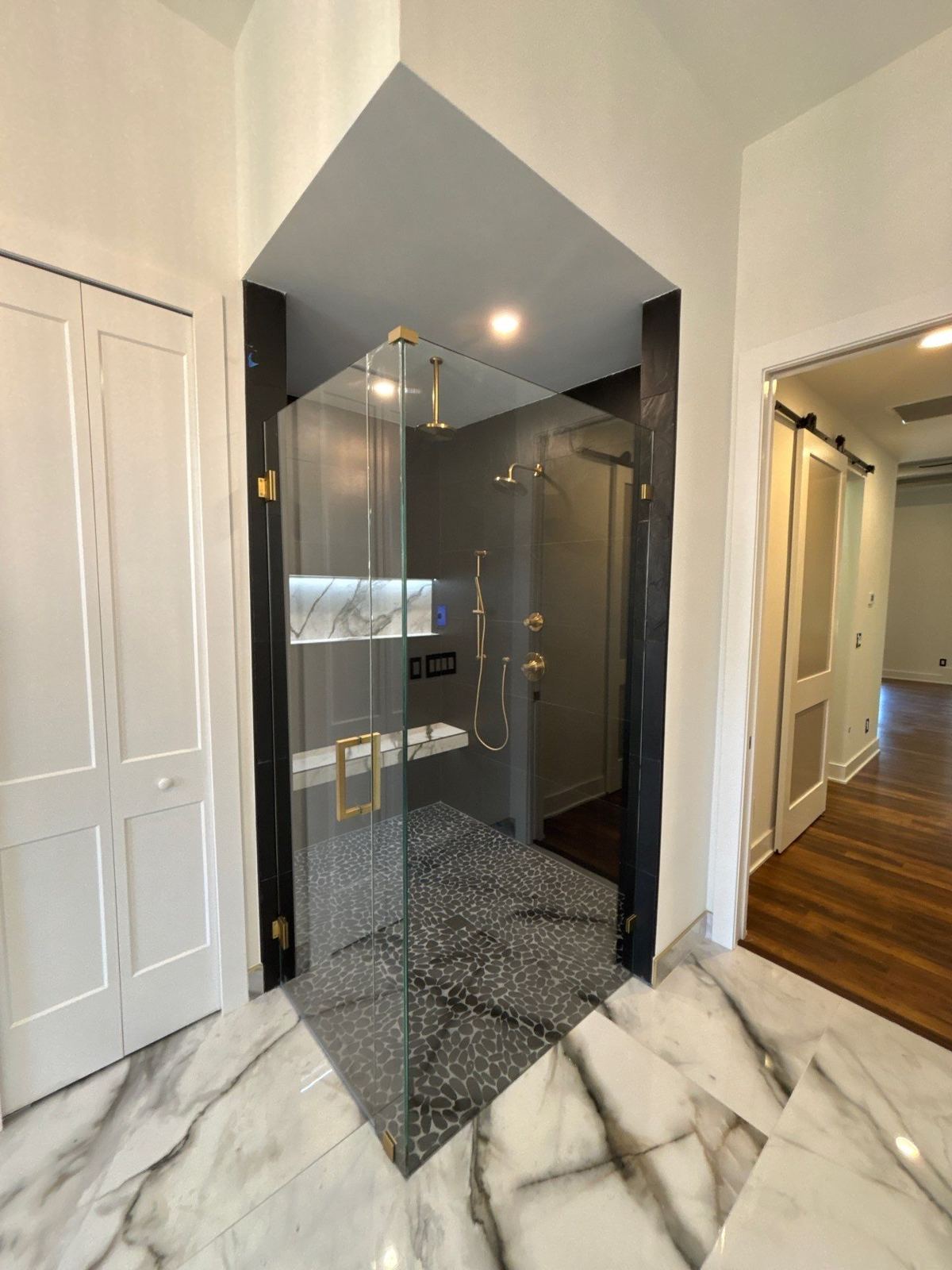
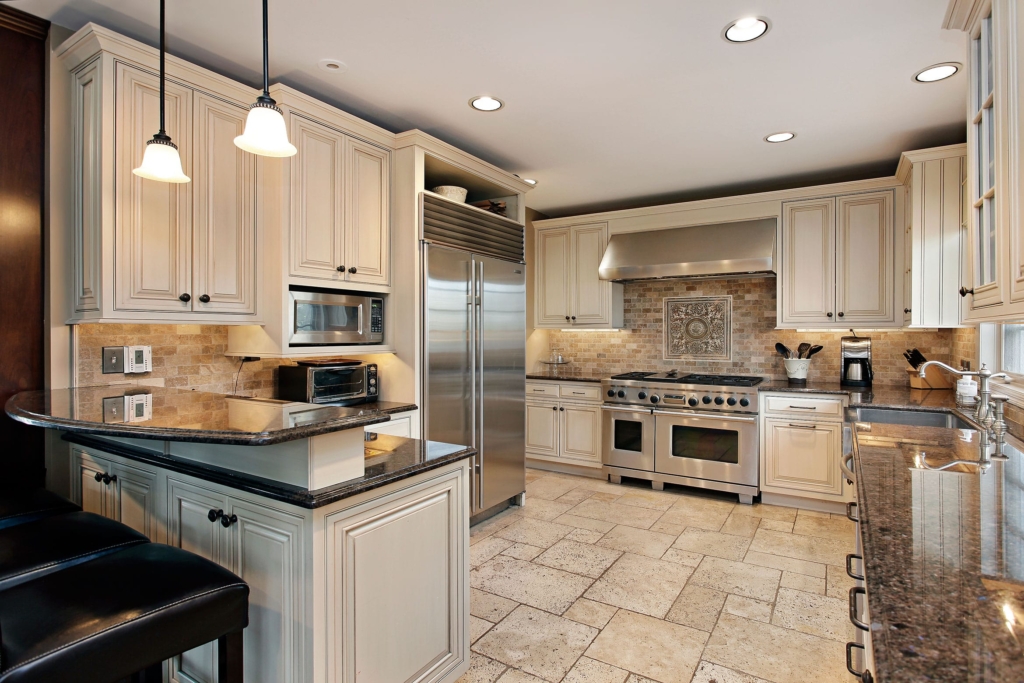
We plan condo kitchens and bathrooms around the building’s rules, prepare what the association asks for, keep to the building’s work hours and protect the common areas. See our bathroom remodeling and kitchen remodeling work, read how condo owners choose between cabinet refacing and replacement, or request a free in-home estimate.
Cite this page: H&H Signature Renovations, “Condo Remodeling in Palm Beach County: What Your Association Will Ask For,” hhsrenovations.com, updated October 2026. Housing data: U.S. Census Bureau, ACS 2024 5-year estimates.
Frequently asked questions
Do I need board approval to remodel my condo bathroom in Palm Beach County?
Usually yes. Your condominium declaration and rules decide what needs approval, and kitchen and bathroom work almost always does because it involves plumbing, electrical work and noise.
Can I move plumbing in a condo?
Often only within limits. The slab and main lines usually belong to the building, and many associations restrict cutting or core drilling the slab.
What hours can work happen in a condo?
It depends on the building, but weekday daytime hours with no weekend or holiday work are common.
What insurance will my building ask for?
Most associations ask for certificates of insurance from the company doing the work, often naming the association as an additional insured.
How many Palm Beach County homes are in larger buildings?
About 25.1% of homes in Palm Beach County are in buildings with 10 or more units, and 64.9% in the Town of Palm Beach, according to the Census Bureau’s ACS 2024 5-year estimates.