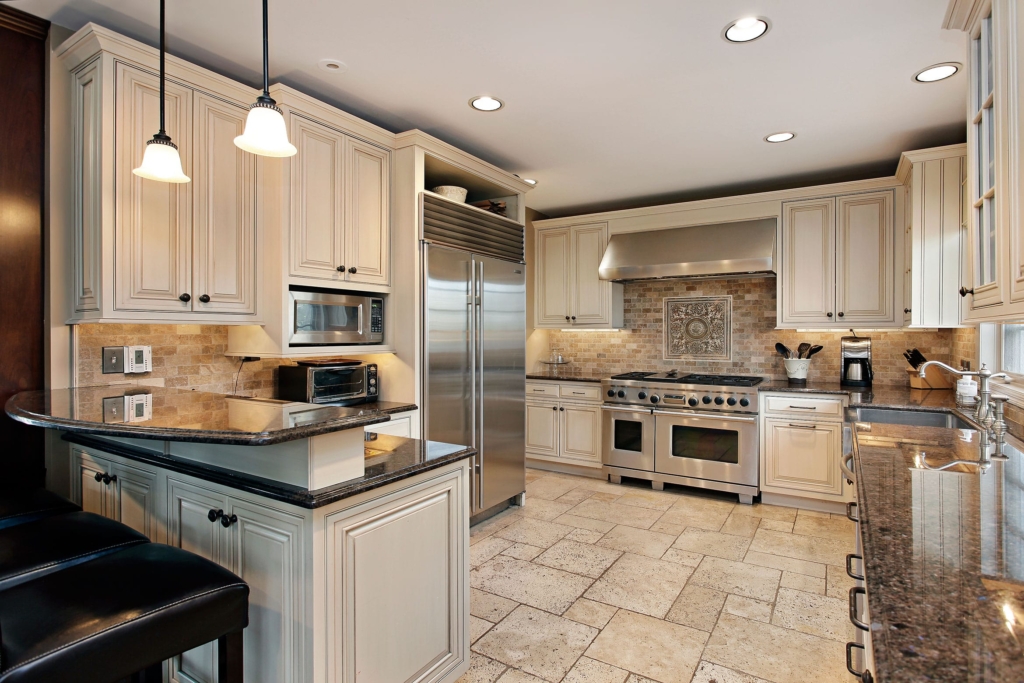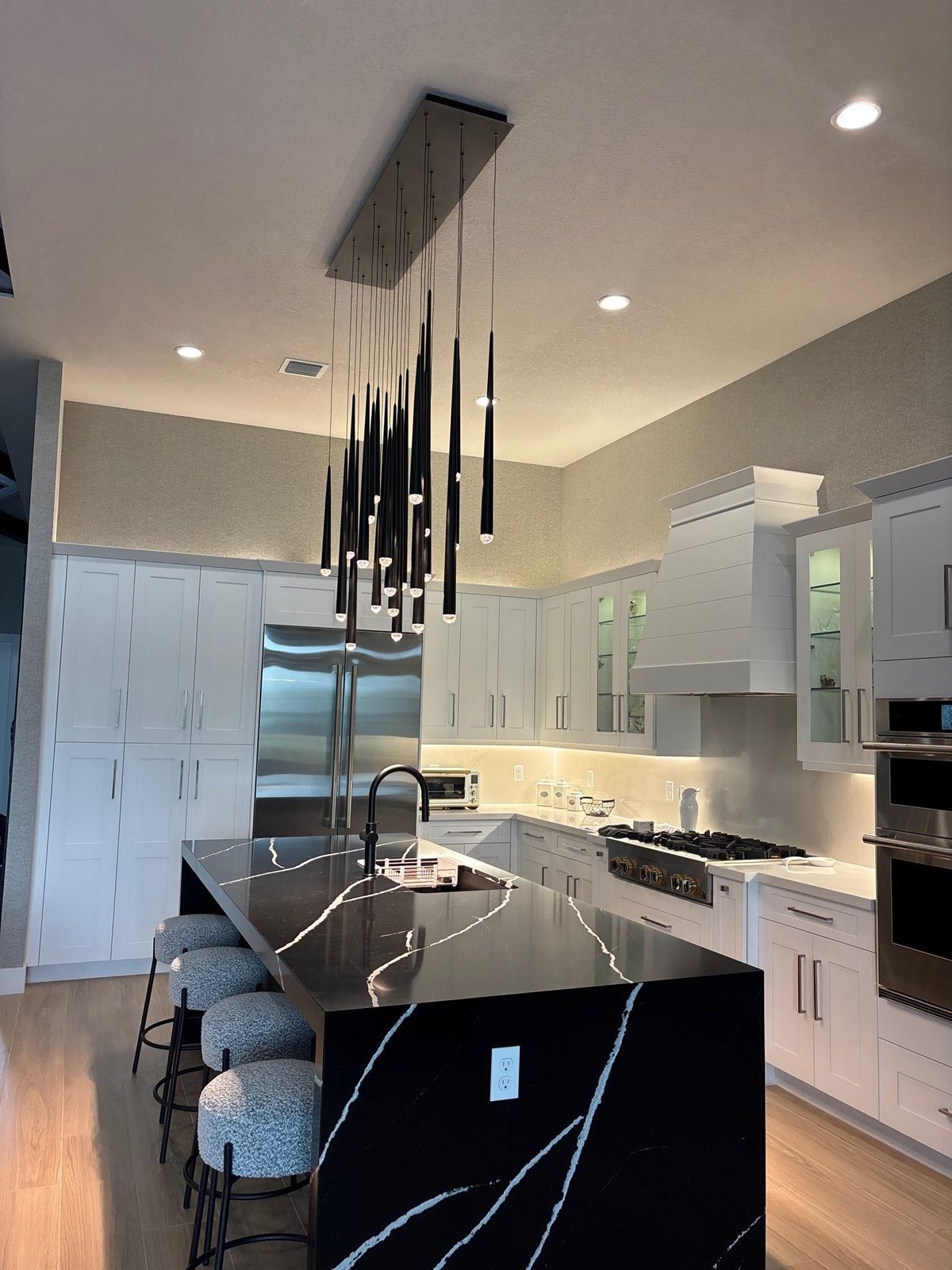
Cabinet refacing vs replacement is often the first real decision in a Palm Beach County condo kitchen. However, the building rules matter as much as the design ideas. They decide how much work your association will accept and how long you live around it.
Getting cabinet refacing vs replacement wrong costs association goodwill and adds downtime in a small space. It can also force a second round of approvals you did not plan for. So this guide gives condo owners a clear comparison: when refacing is enough, when full replacement is the better path, and how condo limits shape the choice. There are no price tags here, only the tradeoffs that belong in a planning conversation.
Cabinet Refacing vs Replacement: Quick Comparison for Condo Owners
| Factor | Cabinet refacing | Full kitchen replacement |
|---|---|---|
| Typical scope | New doors and drawer fronts, veneers or skins, new hardware; the boxes stay | New cabinets, and often a new layout, counters, flooring, lighting and appliances |
| Layout change | Rarely, because the boxes stay in place | Possible if the structure, plumbing and association allow it |
| Demo and dust | Lower than a gut | Higher, from a selective or full gut of finishes |
| Association friction | Often lighter paperwork if systems stay | More review when plumbing, electrical or walls move |
| Disruption | Shorter for many projects | A longer stretch of living around the work |
| Best when | Boxes are sound, the layout works and you want a visual refresh | Boxes failed, the layout is wrong, or systems and finishes all need a reset |
Bottom line: In the cabinet refacing vs replacement comparison, refacing refreshes what you have. In contrast, full replacement redesigns the kitchen you live with, inside the condo rules.
What Cabinet Refacing Actually Includes
Refacing (sometimes called resurfacing) keeps the cabinet boxes in place. Instead of new cabinets, it renews the visible parts: doors, drawer fronts, matching skins or veneers on exposed box faces, and new hardware. Countertops, appliances, flooring and lighting can stay. You can also upgrade them as separate line items without tearing out the whole kitchen.
Refacing tends to fit condo life when:
- The boxes are structurally sound (square, dry, and free of water damage)
- The current layout still works for how you cook and entertain
- You want a major visual upgrade without a full gut
- Association rules favor limited disruption, quieter work and fewer freight trips
That said, refacing is not a fix for rotten cabinet bottoms, failing boxes or a layout that fights your daily routine. New skins on a failing box only delay a larger project.
What Full Kitchen Replacement Means in a Condo
Full replacement usually means new cabinetry. It often also means a coordinated reset of counters, backsplash, flooring, lighting, plumbing trim and appliances. Layout changes also add work. A moved island, an opened wall or a relocated sink brings permits, association design review and a longer rough-in stage.
Replacement wins the cabinet refacing vs replacement question when:
- The boxes are damaged, out of square or poorly configured
- You need a different workflow (more storage, better appliance clearances or accessible heights)
- Counters, floor and lighting are due at the same time, and you want one cohesive install
- You are already opening walls for electrical or plumbing updates
Even so, a full project in a Palm Beach County condo still has to respect shared walls, limited freight elevators, quiet hours, certificate of insurance (COI) requirements and work-window rules. As a result, the new kitchen only happens if the building allows the methods needed to build it.
Why Condo Rules Shape the Decision
In a single-family home, the main debate is often style and lead times. In a condo, however, the cabinet refacing vs replacement debate also covers logistics and approvals.
Association and architectural review
Cosmetic refreshes may move faster. On the other hand, some projects change elevations, relocate plumbing or touch common elements. These often need board or architectural review committee (ARC) approval. So ask early which drawings, product specs and contractor documents your association requires. Your condo documents set these rules. In addition, Chapter 718 of the Florida Statutes (the Condominium Act) sets the framework your association works within.
Access and freight
Cabinet deliveries, stone slabs and debris removal all compete for elevator time. Refacing typically means fewer large cabinet deliveries. Full replacement, by contrast, needs more staging discipline and tighter scheduling with building management.
Noise, dust and neighbors
Shared floors and corridors raise the bar for protection and phasing. For example, a gut that is routine in a detached house can feel far bigger on a mid-rise floor. That is especially true if the crew ignores dust control and after-hours rules.
Temporary living
In many Palm Beach County condos, the kitchen is the only food-prep area in the unit. Refacing often shortens the time you rely on a temporary kitchen. Full replacement, however, needs a realistic plan for a microwave, a mini-fridge and dishes, especially if you live in place. Our guide to the kitchen remodel timeline walks through each phase so you can plan those weeks.
Humidity and coastal finishes
Near the Intracoastal or the ocean, door styles, finishes and hardware should handle humidity and air-conditioning cycles. This applies to both sides of the cabinet refacing vs replacement choice. So confirm with your renovator which materials hold up in your building.
Decision Framework: Which Path Fits You?
Use the two lists below to test your own cabinet refacing vs replacement leaning. Then check how many items are true for your unit.
Lean toward refacing if most of these are true:
- The boxes are solid and dry.
- The layout works, and you mainly dislike the doors, color or hardware.
- You want less dust and a shorter disruption window.
- Your association favors lighter scopes.
- Counters and appliances can stay, or you can upgrade them without moving utilities.
Lean toward full replacement if most of these are true:
- The boxes are failing or poorly built.
- The workflow is wrong (traffic, storage or appliance gaps).
- You already plan new counters, flooring and lighting as a set.
- Plumbing or electrical locations need to move.
- You are ready for association review, longer freight logistics and a phased living plan.
The hybrid option: A hybrid answer to cabinet refacing vs replacement is common. Some owners reface the cabinets and replace the counters and appliances in one coordinated project. That can be a smart middle path. However, the boxes must deserve to stay, and the association package must match the work.
Questions to Bring to a Design Consult
Bring these questions to your first meeting. Together, they turn cabinet refacing vs replacement from a guess into a plan.
| Ask | Why it matters in a condo |
|---|---|
| Are my boxes worth keeping? | An on-site check beats a guess from photos |
| Will this scope trigger association design review? | Calendar and paperwork risk |
| What stays and what goes (counters, floor, lighting)? | Prevents scope creep in the middle of the job |
| How will freight, the COI and work hours be handled? | Building rules set the schedule |
| What is the plan for living in place? | Quality of life during the job |
| Which finishes suit Palm Beach County humidity? | How long doors and hardware last |
| What is the phase order if we mix refacing and new counters? | Avoids install conflicts |
How H&H Approaches Cabinet Refacing vs Replacement
Our kitchen remodeling design consult starts with condo rules and cabinet condition, not a catalog. It follows four steps:
- First, we assess the boxes, the layout and the building rules.
- Next, we separate the systems that must stay from the surfaces that only need a refresh.
- Then we align the association documents and building access with the chosen path.
- Finally, you get a clear reface, replace or hybrid plan to approve before fabrication starts.
To see finished work, browse our project gallery. You can also check the Palm Beach County areas we serve.
Start a Design Consult
Weighing cabinet refacing vs replacement in a Palm Beach County condo? Start with cabinet condition and building rules, not a generic “kitchen remodel” label. Request a design consult with H&H Signature Renovations. We will help you choose the right path for your unit, your association and how you use your kitchen.