
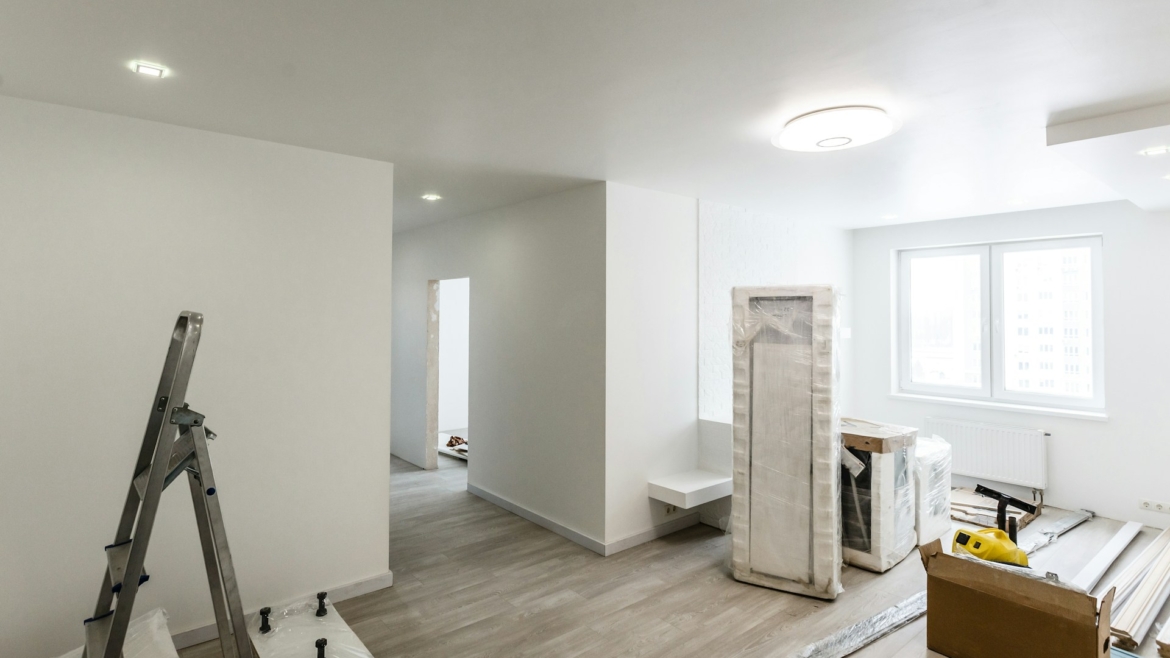
A condo renovation in Palm Beach has two audiences. One is you. The other is your board. If your plans ignore the board, your project slows down before it even starts. When your plans respect the building, its systems, and its neighbors, approvals tend to move more smoothly and your renovation feels calmer from day one.
We spend a lot of time in elevator lobbies and service corridors in Palm Beach buildings. We see what boards flag during spring walkthroughs, from blue tape on balcony edges to questions about sound transfer between stacked units. Here is how thoughtful Palm Beach condo projects plan details that boards actually like to see, long before demolition.
What Palm Beach boards notice first
During a spring walkthrough, a board president is not admiring your cabinet style. They look at:
- How sound might travel through floors and walls
- How balcony finishes handle water and salt
- How work will move through elevators and hallways
They also think about:
- Strict construction hours and quiet periods
- Coastal humidity that affects finishes and systems
- Aging high-rises with mixed styles, from Bermuda to coastal modern
When the drawings show respect for the structure, the mechanical systems, and the shared look of the building, your project feels like an improvement, not a disruption. That tone often starts with how your team reads the building before anyone talks about tile.
Reading the building before you draw the plan
Before layout ideas, the priority is understanding the bones of the building. In Palm Beach oceanfront towers, that usually means:
- Slab thickness and any post-tension cabling in the concrete
- Plumbing stack locations that serve kitchens, baths, and laundry
- Shared chases that carry vents, pipes, and conduits
This is where many plans go wrong. Extra penetrations in slabs, large ceiling drops, or relocated wet areas can trigger extra engineering reviews or denials. The goal is to design inside what the structure wants to do, not fight it.
Working with the original architecture matters too. In Bermuda and Mediterranean revival buildings, you often have:
- A strong column grid and deep exterior walls
- Existing soffits that hide ducts and plumbing
- Window and door proportions that set the tone
Practical strategies include furring out select walls, reworking soffits in a more intentional way, and using built-ins to absorb odd angles or immovable columns. When updates feel sympathetic to the building, boards tend to see them as raising the standard on the floor.
Boards also react to how clean the documentation is. They expect:
- Scaled plans that clearly note no change to exterior walls or structure
- Simple finish schedules and plumbing diagrams, easy to read in one sitting
- Organized engineer letters, insurance certificates, and vendor compliance details
A capable Palm Beach condo team acts as the translator between design, engineering, and the board packet so management is not chasing missing pages.
Quiet floors, solid walls, calm neighbors
Noise is one of the fastest ways to lose goodwill in a condo. Typical complaints include chair scraping on stone, footsteps above, showers next to bedrooms, and early morning deliveries.
Boards often look closely at:
- Sound ratings for underlayments beneath hard flooring
- Thickness and manufacturer data, especially with large-format porcelain
- How transitions are handled between existing stone, new engineered wood, and balcony thresholds
Handled well, you get quieter floors, smooth transitions, and fewer trip points at doorways.
Walls matter for privacy too. Thoughtful assemblies often include:
- Mineral wool inside demising and bath walls
- Resilient channels in select areas to decouple finishes from framing
- Sealant at outlets and penetrations to reduce sound leaks
Planning new wet rooms or laundry spaces so they do not back up to a neighbor’s main bedroom is another detail boards appreciate. Even pocket doors can be tuned, with solid cores, quality hardware, and floor guides that keep them from rattling against plaster.
Staging the work is just as important. A well-organized team will:
- Phase demolition, framing, and tile work inside board-approved hours
- Reserve service elevators in advance and stick to those time slots
- Keep hallways clear, with daily trash removal and organized loading areas
Proactive notes to the building manager before noisy phases, like chipping or core drilling where allowed, show respect and often lead to fewer complaints.
Kitchens, baths, and systems boards rarely push back on
Kitchens in condos have to play by the building’s rules. Strong layouts often:
- Keep sinks and ranges within the same general zone, not across the slab
- Use recirculating hoods with proper charcoal filters when exterior venting is not allowed
- Treat soffits around hoods and ducts as part of the architecture, not an afterthought
Panel-ready appliances and integrated refrigeration keep the room quiet visually, which tends to sit well in both traditional and modern buildings.
For baths, staying respectful of stacks is key. Good solutions can include:
- Working from existing drain locations with linear drains or low curbs
- Curbless showers only where slab recesses and waterproofing details are approved
- Using waterproofing systems that local inspection teams already know and trust
Materials also need to handle Palm Beach humidity. Many clients choose:
- Porcelain that reads like limestone or marble without the same maintenance
- Quartz for tops that stands up well near open windows and balcony doors
- Unlacquered or durable brass in well-ventilated spaces
Boards often respond better to finishes that feel quiet and considered. In more traditional buildings, honed stone, microbevel oak, and matte hardware feel at home. In coastal modern towers, bleached woods and low-profile pulls make sense.
Across styles, three rules usually hold:
- Respect view corridors, keep cabinetry low near windows
- Avoid uppers that crowd the glass or fight an ocean view
- Keep palettes balanced with the lobby and common areas, not in sharp contrast
Behind the finishes, mechanical and electrical details matter as much as the stone. In a salt and sun climate, boards want clarity on AC. Strong plans address:
- The type and size of indoor units for the condo
- Linear diffusers and grilles that work with lower ceilings
- Access panels that are discreet but large enough for future maintenance
Lighting upgrades need to respect the slab above. Instead of carving in a grid of deep recessed cans, many projects use:
- Slim-profile LED fixtures
- Surface or plaster-in channels where allowed
- Integrated lighting in millwork for task and accent light
Panel schedules should account for induction cooktops, warming drawers, and wine storage so you are not overloading existing service. Coordinating low-voltage, dimming, and shade controls within the guidelines for the building keeps systems reliable and board questions to a minimum.
Storm and inspection planning is another quiet part of the design. Boards usually expect:
- Respect for existing impact glazing and frame systems on openings
- No unapproved changes to balcony doors or guardrails
- Balcony finishes that handle driving rain, often porcelain pavers on pedestals instead of fully adhered stone
Scheduling is part of this too. You want to avoid heavy work during seasonal blackout periods, peak visitor months, and planned building maintenance shutdowns.
Planning your condo renovation the board will approve
The projects that move smoothly through Palm Beach condo boards all have the same pattern. The design, documentation, and site conduct feel just as thoughtful as the stone, cabinetry, and hardware.
A useful way to start is to walk your own building with fresh eyes. Study the lobby and corridors. Notice what other renovated units have done with soffits, flooring, and balcony edges. Talk with management about recent approvals and any problem projects they remember.
Then gather a few simple pieces:
- Your building’s rules and construction guidelines
- Any surveys or original plans you have for your unit
- A handful of inspiration images that match your tower’s general style
From there, a design-focused team that works regularly in Palm Beach condos can translate your wish list into a plan that respects the building, calms the board, and is ready before the next season on the island settles in.
Transform Your Palm Beach Condo With Expert Renovation Support
Ready to reimagine your condo with a space that truly fits your lifestyle and taste? As your trusted condo renovation contractor in Palm Beach, H & H Signature Renovations will guide you through every step, from concept to final walkthrough.
Schedule a consultation to talk through your goals, timeline, and budget so we can build a clear plan together. If you have questions or want to discuss specifics, feel free to contact us today.