
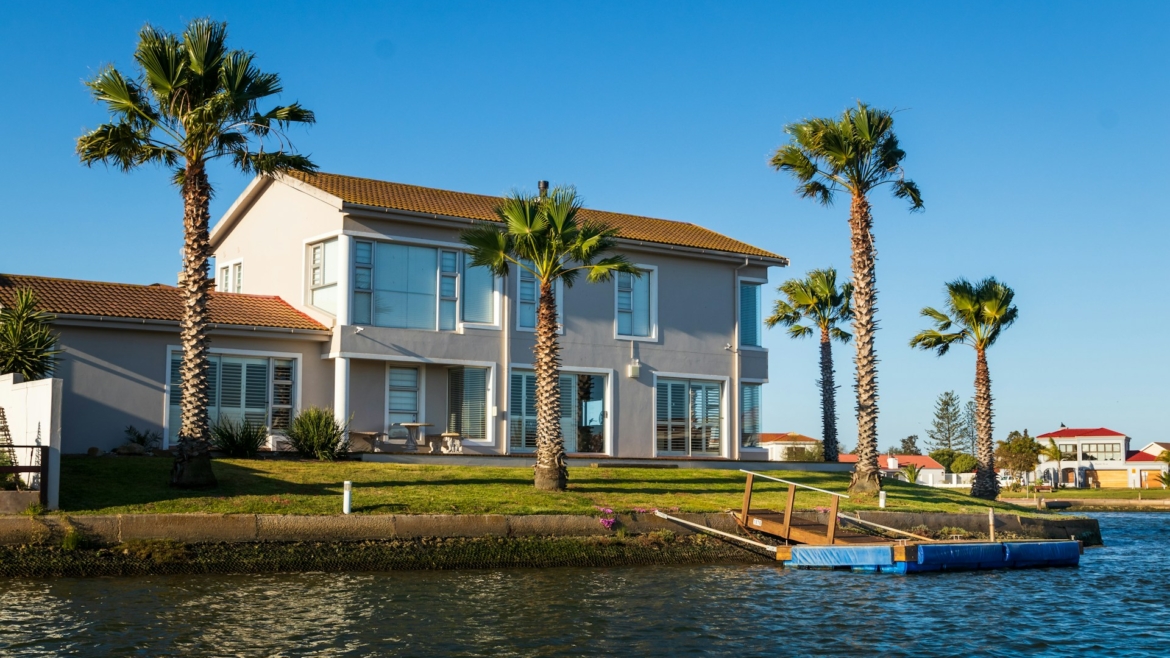
A waterfront home renovation in Palm Beach asks you to think a little differently from the very first conversation. You are not only choosing tile, fixtures, and paint colors. You are deciding how your home will handle salt in the air, strong sun on glass, and storms that blow straight across the water toward your walls and roof.
When a classic 1960s Bermuda-style house on the Intracoastal comes up for renovation, the clues are already there. Hairline cracks in terrazzo. Old metal jalousie windows still facing the water. Railings that rust faster on the dockside than the street side.
Those signs tell you this is not just a new kitchen and new windows project. It is a full set of decisions about structure, envelope, and daily life in a marine climate. At H & H Signature Renovations, the architecture, the way the house is used, and the South Florida conditions are treated as one connected story.
Why Waterfront Decisions Start Long Before Demolition
Before a single wall comes down, decisions on a waterfront property start at the desk and out in the yard. The team studies where the water sits, how the wind hits the house, and how the old structure has held up. They pay attention to what has failed and what has quietly survived decades of salt and sun.
On the water, the stakes are higher:
- Structural performance when storms push across the Intracoastal
- Long-term behavior of metals, finishes, and sealants in salty air
- Expectations of Palm Beach neighbors, design boards, and associations
Every decision, from roof tie-downs to cabinet toe kicks near a pool entry, filters through those factors. The goal is not a bunker. The goal is a calm, bright waterfront house that feels natural in Palm Beach and still works well years from now.
Reading the Property: Site, Views, and Restrictions
Waterfront renovation starts with reading the site. The water is not just a backdrop; it affects almost every move.
Attention goes to:
- Prevailing breezes off the Intracoastal or ocean
- Sun path across the lot, especially harsh western light
- Glare off the water that can bounce hard into glass walls
Those details guide glass selection, shade strategies, and even interior finishes. A glossy floor that looks good in a showroom can feel blinding in a living room that faces bright water all afternoon.
View corridors also drive layout. It is important to think about how to:
- Line up kitchens, primary suites, and baths with the best views
- Keep privacy from neighboring docks, seawalls, and boat traffic
- Balance open views with places to feel tucked in and quiet
Then there are the non-negotiables: flood zones, FEMA maps, required finished floor elevations, and existing seawall conditions. Older Bermuda or Mediterranean Revival homes might have concrete block walls and low roof structures that need careful reinforcement rather than simple cosmetic work.
Palm Beach adds another layer, with ARCOM or local design review boards, historic guidelines, and HOAs or condo boards that care about rail profiles, balcony enclosures, colors, and outdoor kitchens. Since this is often a multi-stage approval process, late spring is a practical time to begin design. The slower social season can be used to work through drawings, selections, and permits so structural and exterior work aligns with both construction schedules and storm season considerations.
Building for Salt, Sun, and Storms
A waterfront home asks for a different specification list. The same look can be achieved with materials that are better suited for salt, humidity, and wind.
Typical preferences include:
- Aluminum over standard steel for rails and exterior details
- Marine-grade stainless fasteners and nonferrous hardware
- Quality powder coat finishes on exterior metalwork
Impact-rated glazing is its own world. On the water, laminated glass and thermally broken aluminum frames, often with low-E coatings tuned for South Florida sun, are not extras. Deeper jambs may be needed to fit Miami-Dade or Florida Building Code requirements.
Wall and roof assemblies matter more on the water. Closed-cell spray foam under the roof deck can help with both strength and comfort. Peel-and-stick underlayment, concrete tile or standing seam metal roofs, and continuous tie-downs and poured tie beams help keep the structure steady when the wind comes up.
A/C is different near the water too. Design conversations often cover:
- Corrosion-resistant outdoor condensers and coils
- Dedicated dehumidification as a design priority
- Mechanical rooms set with flood awareness and good access
These are quiet decisions, not dramatic design gestures. They are what keep the house comfortable and low-drama year after year.
Materials That Age Gracefully Near the Water
Inside and out, materials have to handle wet feet, salt spray, and strong sun.
For flooring, it often comes down to:
- Large-format porcelain with low-slip finishes, useful by sliders and pool entries
- Terrazzo, which suits many older Palm Beach homes and can be refreshed
- Limestone or similar stone with careful selection and sealing in the right areas
- Engineered wood planks instead of solid hardwood close to exterior doors
Cabinetry and millwork benefit from marine-minded thinking. Marine-grade plywood boxes, durable laminates or veneers in working zones, and careful detailing where cabinets meet sliders or outdoor kitchens help reduce swelling and damage.
Metals and exterior finishes get just as much attention:
- Bronze or marine-grade stainless for exposed hardware
- Solid brass in protected interiors that still see humidity
- High-performance exterior paint systems that handle wind-driven rain
- Stucco assemblies detailed to shed water rather than hold it
Terraces and pool decks are another place where the right call pays off. Shellstone, concrete pavers, or porcelain pavers on pedestals give grip and stay cooler under bare feet, as long as drainage, expansion joints, and coping profiles are considered for salt and sun.
Inside, fabrics and furnishings feel the impact of the view too. UV-stable textiles on window seats and dining chairs near sliders hold color longer. Art lasts longer when it is pulled away from harsh western exposures or protected by thoughtful shading.
Planning Interiors for Waterfront Light and Life
Waterfront life is not neat. Wet feet from the dock, sunscreen on every surface, sandy towels, kids and guests drifting in from the boat as often as the front door. That lifestyle should shape the floor plan.
Good layouts build in:
- Generous landing zones near pool and dock entries
- Storage for paddleboards, life jackets, and fishing gear
- Hidden laundry spots close to where towels actually land
Light management is another key piece. Waterfront glass is valuable, but it needs layers. Solar shades, sheers, and lined drapery can work together so the room shifts from bright midday to soft evening without closing everything down. Deeper overhangs, pergolas, and screens can soften light before it even hits the glass.
Kitchens and baths close to the water work harder. Integrated ice makers, second dishwashers for glassware, and non-porous countertops right inside exterior doors tend to earn their keep. Showers and baths need strong ventilation and finishes that are quick to clean when more people are moving through daily.
Sound and privacy complete the picture. Boat engines, music from neighboring docks, and water activity travel across the surface. Glazing specs, landscape buffers, and room placement help keep primary bedrooms and offices quiet, even with a busy waterway just outside.
Aligning Budget, Phasing, and Hurricane Season
On the water, more of the budget often goes toward structure, glazing, and the building envelope. Those elements are what protect everything you see and touch. Finishes can still be tailored and refined, but the priority shifts to the bones first.
For large homes or condos, phasing the work can make sense:
- Begin with the exterior envelope, dockside entries, and roof
- Move inward to kitchens, baths, and millwork once the shell is secure
- Leave furnishings and softer layers for the final pass
Permitting in Palm Beach County, lead times on impact glass and custom metalwork, and inspection schedules all play into timing. Beginning design and selections in the spring allows for thoughtful decisions and smoother procurement, instead of rushing structural and exterior choices when the weather is already active.
On narrow waterfront streets or in condo buildings, there are also neighbor and association expectations to respect. Noise windows, elevator use, loading dock times, and staging areas need coordination up front so the project moves steadily rather than in fits and starts. Early clarity on structure, glazing, and exterior systems helps keep that pace steady.
Turning Waterfront Constraints Into Long-Term Comfort
All the extra rules, codes, and material requirements on the water can feel like obstacles at first. In practice, they become the backbone of a calm, low-drama home in a demanding climate. When site, structure, and envelope are given priority, the house feels solid, quiet, and easy to live with, even when the weather or the dock activity is loud.
For H & H Signature Renovations, the most successful waterfront projects are the ones where architecture, engineering, and daily rituals are in the same conversation from the beginning. When planning accounts for how the light moves, how the tide affects the air, and how people truly live between house, dock, and pool, the result is not only composed from the street. It is comfortable and resilient from the inside out.
Transform Your Waterfront Home Into a True Coastal Retreat Today
If you are ready to elevate your property with a tailored waterfront home renovation in Palm Beach, our team at H & H Signature Renovations is here to help you plan every detail. We collaborate closely with you to align design, materials, and budget with your vision and your home’s unique setting.
Tell us about your project and timeline, and we will guide you through the next steps from concept to completion. To start the conversation, simply contact us and schedule a consultation.